October 23, 2025
Wearable Data in Trust Scoring and Digital Profiling
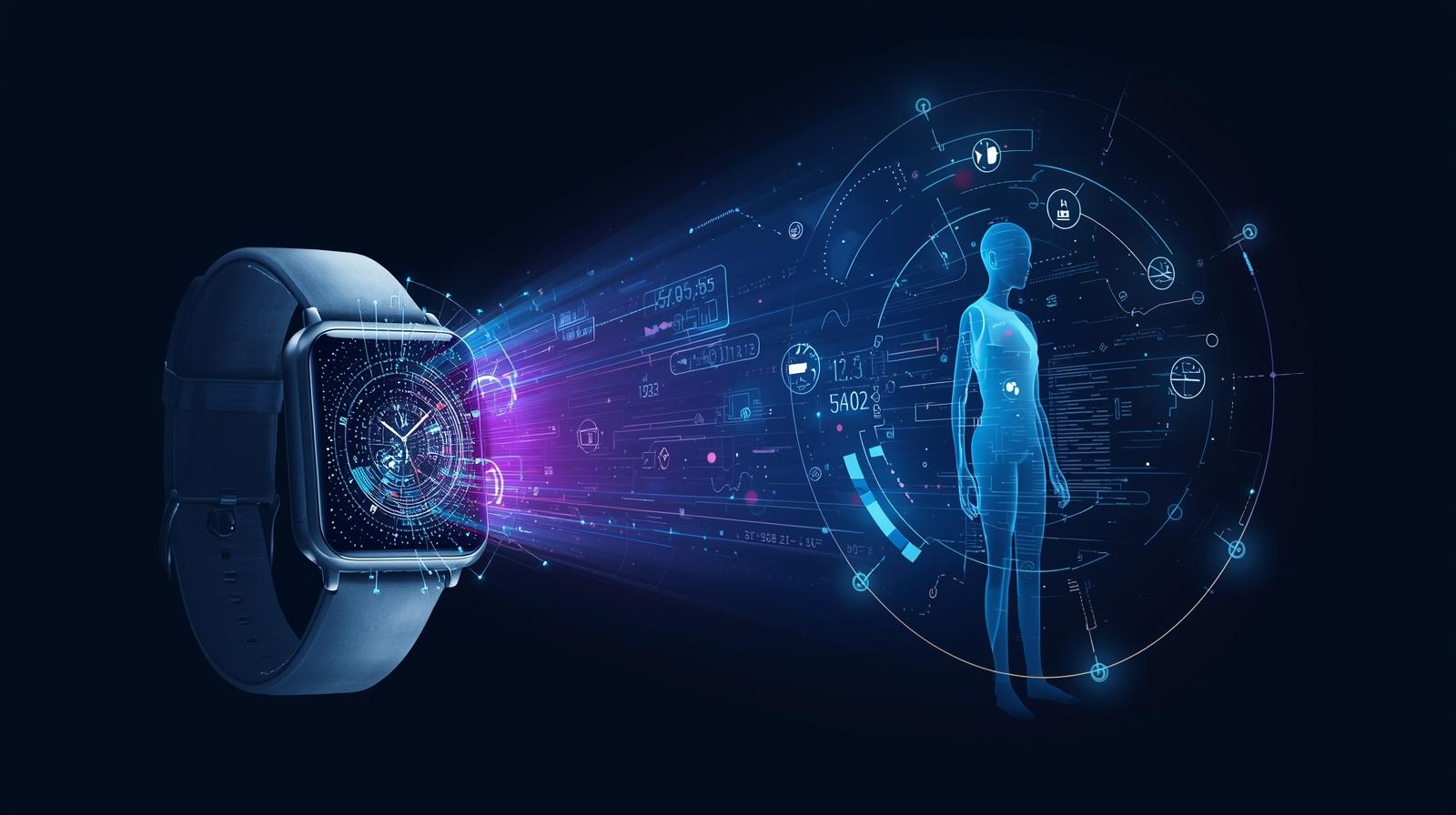
Trust used to be built on communication and behavior. In the age of smart devices, it is increasingly quantified through data. From fitness trackers and smartwatches to biometric rings, wearable technology is shaping a new form of digital profiling where physiological signals inform how trustworthy a person appears online.
Platforms are beginning to explore how wearable-derived data—like heart rate, sleep patterns, or activity consistency—can support or even generate trust scores for users. While this promises new forms of verification and safety, it also raises significant questions about privacy, consent, and manipulation.
This blog explores how wearable data could contribute to trust scoring systems, the risks of its misuse, the technical challenges of accuracy, and what ethical protections users must demand before their biometric lives become part of reputation algorithms.
The Rise of Wearable-Driven Trust Metrics
Modern wearables collect continuous streams of personal data: pulse rates, step counts, temperature fluctuations, stress indicators, and more. In theory, these signals can serve as digital trust anchors—evidence that a user behaves consistently, healthily, or authentically across online and offline contexts.
Possible Applications in Trust Scoring
-
Identity Verification:
Consistent physiological data could confirm that the same person uses multiple connected accounts, preventing impersonation. -
Behavioral Stability Scoring:
Platforms could correlate heart rate or movement consistency with behavioral trustworthiness, assuming stable patterns indicate reliability. -
Wellness-Linked Credibility:
Some experimental systems link user trust levels to self-regulation metrics such as calmness during online transactions or content creation. -
Fraud Detection:
Sudden biometric anomalies during transactions could signal coercion or stress, triggering automated safety checks. -
Community Interaction Validation:
In immersive or spatial platforms, wearable input could verify user presence or engagement authenticity.
While these uses may improve safety or identity integrity, they also risk transforming deeply personal health data into tools of surveillance.
The Privacy Dilemma: Data That Knows Too Much
Wearables blur the line between personal health and digital identity. The more these devices are integrated into trust scoring systems, the more private lives become quantifiable.
Core Privacy Risks
-
Continuous Monitoring:
Wearables collect real-time biometric data that reveal emotions, stress levels, or mental states without explicit consent. -
Secondary Profiling:
Platforms may use health trends to predict personality traits or decision-making reliability, creating hidden bias profiles. -
Data Brokerage:
Some third-party apps sell or share wearable data with advertisers, insurers, or credit-rating entities, amplifying the risk of misuse. -
Lack of Anonymity:
Biometric signals are unique identifiers. Even anonymized data can be reidentified through pattern analysis.
Once wearable data is linked to trust systems, users effectively surrender a physiological mirror of their inner life to opaque algorithms.
Data Accuracy and Interpretation Challenges
While biometric signals appear scientific, they are context-sensitive and error-prone. Misinterpretation can distort trust metrics.
1. Physiological Ambiguity
An elevated heart rate could indicate excitement, fear, caffeine intake, or illness. Algorithms often lack the contextual intelligence to distinguish between these states.
2. Device Variability
Different brands and sensors measure data differently. A smartwatch’s heart rate accuracy can fluctuate by up to 20 percent depending on skin tone, movement, and environmental light.
3. Algorithmic Inference
Wearable systems often use proprietary inference models to “translate” raw signals into behaviors like “calm” or “trustworthy.” These models are rarely peer-reviewed or standardized.
4. Cultural and Physical Biases
Body temperature or stress response baselines vary across individuals and cultures. A one-size-fits-all trust algorithm risks systematic discrimination.
Data quality is not the same as data truth. Without transparency in how metrics are derived, trust scoring based on wearables risks turning biological noise into social judgment.
Misuse Scenarios: When Wearable Trust Goes Wrong
Several real-world and hypothetical examples reveal how wearable-based trust systems can be exploited or abused.
1. Insurance Premium Manipulation
Health insurance platforms could reward users who appear calm or active based on wearable data while penalizing those with irregular readings, effectively turning stress into a financial liability.
2. Employment Screening
Employers might use wearable data to evaluate “emotional stability” during interviews or customer service roles, introducing discriminatory hiring practices.
3. Coercive Consent
Platforms could nudge users into sharing wearable data in exchange for “enhanced trust scores,” coercing participation under the guise of transparency.
4. Relationship and Social Misuse
Apps or partners could misuse shared wearable metrics (like stress levels) to infer deceit or emotional detachment, leading to invasive monitoring behaviors.
5. Governmental Profiling
In some cases, biometric wearables have been proposed for civic identity programs, raising the risk of surveillance states using trust metrics for behavioral scoring.
Each misuse scenario underlines how trust data without ethical guardrails quickly becomes a control mechanism.
Integrating Wearable Data into Platform Ecosystems
For platforms exploring wearable-driven trust systems, integration is technically feasible but ethically complex.
Key Integration Steps
-
API Synchronization:
Linking wearable APIs (e.g., Apple Health, Google Fit) to platform identity systems enables automated data transfer. -
Machine Learning Calibration:
Algorithms learn to interpret biometric signals as behavioral traits over time, often using federated datasets for accuracy. -
Privacy-Preserving Computation:
Differential privacy or homomorphic encryption can help process data without exposing raw signals. -
Cross-Platform Identity Mapping:
Verified wearable accounts can be used to authenticate users across platforms, extending trust reputation beyond a single ecosystem.
Such integration may streamline authentication and fraud prevention, but it demands strict regulation and transparency to avoid privacy exploitation.
Protection Strategies for Users and Platforms
Protecting wearable data requires both user control and system-level accountability.
For Users
-
Restrict Data Sharing:
Only grant access to necessary features. Revoke permissions for non-essential integrations. -
Use Local Storage:
Store biometric data on-device when possible, avoiding cloud synchronization. -
Monitor App Permissions:
Many apps request health data without clear justification. Regularly audit what is being shared. -
Avoid Linking Wearables to Reputation Platforms:
Unless privacy safeguards are clearly stated, keep biometric data separate from public trust systems.
For Platforms
-
Data Minimization:
Collect only what is essential for verification, not behavioral prediction. -
Transparent Processing:
Clearly disclose how biometric data influences trust scoring and allow opt-out options. -
Independent Audits:
Conduct third-party reviews of data accuracy, fairness, and compliance with privacy standards. -
User-Centric Encryption:
Encrypt wearable data using user-controlled keys, ensuring platforms cannot access raw information.
By combining personal vigilance with platform responsibility, wearable trust systems can evolve without compromising autonomy.
Ethical and Regulatory Perspectives
Wearable-based trust scoring falls into a gray zone between health regulation and data governance. Policymakers are now exploring frameworks to address this convergence.
Emerging Ethical Principles
- Informed Consent: Users must understand how physiological data affects reputation scoring.
- Non-Discrimination: Algorithms should not penalize individuals for biological or cultural differences.
- Right to Erasure: Users must have the ability to delete all wearable-derived trust data.
- Independent Oversight: Cross-sector watchdogs should monitor wearable data use in non-health contexts.
Without proactive governance, wearable trust systems could normalize biometric surveillance as a prerequisite for digital participation.
The Future of Wearable Trust Systems
As AI, health tech, and identity verification converge, wearable trust systems may become part of next-generation digital reputation infrastructures. Future trends may include:
- Contextual Trust Models: Systems that adjust trust interpretation based on environmental or emotional context.
- Zero-Knowledge Proofs: Cryptographic methods that verify authenticity without exposing raw biometric data.
- AI Wellness Integrity Checks: Monitoring emotional stability for content moderation or community behavior prediction.
- Federated Health Identity Networks: Allowing users to carry verified health-linked trust tokens across multiple platforms.
While these innovations may enhance safety, they risk turning biology into a social password—a trend that must be approached with ethical foresight.
Conclusion: The Cost of Biometric Trust
Wearable data offers powerful insights into authenticity, identity, and human behavior, but it is also among the most sensitive information users can share. Incorporating it into trust scoring promises efficiency but risks creating a biometric hierarchy of credibility, where privacy and autonomy become privileges, not rights.
True trust cannot be extracted from heartbeats or motion graphs. It must remain a product of transparency, accountability, and consent. Platforms that value ethics over analytics will ultimately earn the kind of trust that data alone cannot measure.