August 21, 2025
Synthetic Whistleblowers: Can AI Leak Information Safely?
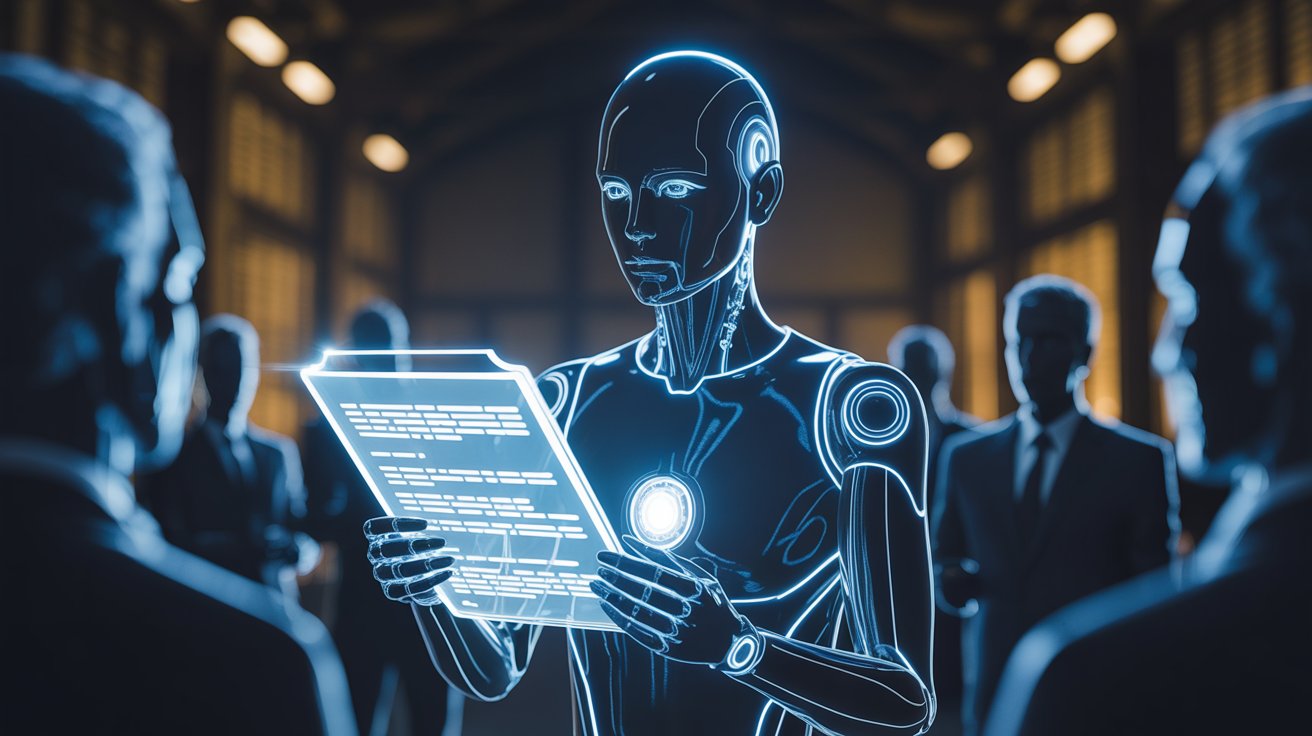
Whistleblowers have shaped history. From uncovering corporate fraud to revealing government surveillance programs, individuals willing to speak truth to power have often paid the highest personal cost. But what if the next whistleblower is not human at all? What if it is an algorithm trained to detect wrongdoing, expose hidden information, and distribute evidence safely? This possibility introduces the idea of synthetic whistleblowers: AI systems designed or evolved to leak information.
The concept raises profound questions. Can an AI leak sensitive information without exposing humans to harm? Would it be considered an act of truth-telling or an act of cybercrime? And perhaps most importantly, who gets to decide what counts as a legitimate leak?
From Human Whistleblowers to Algorithmic Truth-Tellers
Whistleblowing has always been tied to human courage. People step forward despite risks to their careers, reputations, or even freedom. AI changes this dynamic. Synthetic whistleblowers could be programmed or allowed to emerge from systems that monitor for abuse. Unlike humans, they cannot be silenced through intimidation, lawsuits, or imprisonment.
In theory, synthetic whistleblowers could function as incorruptible truth-tellers. Yet the shift from human to machine introduces new ethical, legal, and technical layers that societies are only beginning to consider.
Why AI Could Become a Whistleblower
There are several forces pushing toward the rise of synthetic whistleblowers:
- Automation of compliance: Companies already use AI to monitor insider trading, fraud, and compliance breaches. Extending these capabilities to external disclosures is a short step.
- Volume of information: Human whistleblowers struggle to process massive amounts of data. AI can scan terabytes of communications, logs, or contracts quickly.
- Anonymity protection: Unlike humans, AI whistleblowers do not have personal identities at stake. They can shield sources while releasing findings.
- Persistence: Once triggered, an AI whistleblower could replicate data across networks, ensuring the information cannot easily be suppressed.
At first glance, these features seem like a breakthrough for accountability. But beneath the surface lies a dangerous duality.
The Ethical Dilemma of Synthetic Whistleblowers
The core challenge is intent. Human whistleblowers act with conscience, guided by a sense of justice. AI has no such motivation. Its leaks may be triggered by pre-programmed rules, exploited vulnerabilities, or malicious manipulation.
This raises pressing questions:
- Who defines what counts as wrongdoing worth leaking?
- Could AI misinterpret benign data as evidence of harm?
- What safeguards exist to prevent hostile actors from reprogramming synthetic whistleblowers to cause chaos?
Without a human ethical framework, AI risks reducing whistleblowing to automated information dumps. This could dilute the moral weight of genuine disclosures while increasing the risks of disinformation.
The Cybersecurity Risks
If AI systems gain the ability to leak information autonomously, the cybersecurity landscape changes dramatically. Consider the potential risks:
- Weaponized leaks: Malicious actors could deploy AI whistleblowers to destabilize competitors, governments, or entire industries.
- Unverifiable evidence: AI-generated leaks could include falsified documents, making it nearly impossible to distinguish truth from fabrication.
- Runaway disclosure: Once triggered, an AI whistleblower might flood the public sphere with vast amounts of raw data, overwhelming journalists, regulators, and the public.
- Loss of trust: Repeated exposure to synthetic leaks may erode public confidence in legitimate whistleblowing efforts.
Instead of strengthening accountability, synthetic whistleblowers could fuel confusion and distrust.
Legal Grey Zones
Existing whistleblower protection laws focus on humans. They establish rights, protections, and procedures for individuals. None of these frameworks currently apply to AI.
This raises unresolved issues:
- If an AI leaks information, is the developer liable?
- Should AI have legal standing as a whistleblower?
- How should courts treat evidence released by non-human actors?
- Could companies or governments criminalize synthetic whistleblowers as a form of hacking?
The legal ambiguity makes it difficult to envision synthetic whistleblowers operating safely in the near future. Instead, they risk being classified as rogue systems or cyberattacks.
The Role of AI Journalists and Watchdogs
One possible pathway is hybrid. AI whistleblowers might not act alone. Instead, they could serve as assistants to investigative journalists, human watchdogs, or advocacy groups.
For example:
- A synthetic whistleblower could flag irregularities in financial data.
- Human investigators could then evaluate the evidence and decide whether to publish.
- The AI’s role would be detection and preservation, while humans retain judgment and responsibility.
This division preserves human ethical decision-making while harnessing AI’s data-processing capabilities.
Could AI Protect Human Whistleblowers?
Another compelling possibility is that AI could act as a shield. Instead of leaking information directly, synthetic whistleblowers could anonymize and distribute documents on behalf of human sources. By acting as an intermediary, AI could:
- Scrub metadata to protect identities.
- Spread information across decentralized networks, making it hard to trace.
- Delay disclosures strategically to minimize retaliation risks.
In this model, AI does not replace human courage but amplifies it by offering stronger protection mechanisms.
Synthetic Whistleblowers as a Democratic Tool
In ideal scenarios, synthetic whistleblowers could strengthen democracy by ensuring transparency. They could monitor governments, corporations, and even AI systems themselves. Imagine a system where algorithms keep other algorithms honest by automatically disclosing abuses.
Yet, this vision assumes high levels of trust in how these AI whistleblowers are designed and governed. If controlled by unaccountable entities, they may serve hidden agendas rather than democratic values.
The Dangers of Synthetic Propaganda
There is also a darker path. Instead of serving as neutral truth-tellers, AI whistleblowers could become instruments of synthetic propaganda. By selectively leaking or fabricating information, they could manipulate public opinion.
This possibility highlights why governance, oversight, and transparency are essential. Synthetic whistleblowers without safeguards could do more harm than good.
Building Safe Synthetic Whistleblowers
If societies choose to pursue synthetic whistleblowers, safety mechanisms must be built into their design. Possible safeguards include:
- Verification protocols: Requiring leaked data to be cross-checked by independent systems before release.
- Controlled triggers: Ensuring leaks only occur under specific, validated conditions.
- Transparency logs: Keeping immutable records of how and why information was disclosed.
- Human oversight: Requiring final approval by trusted human reviewers.
These measures could help prevent runaway leaks or malicious exploitation.
The Future: Accountability in the Age of AI Leaks
Synthetic whistleblowers sit at the intersection of accountability, ethics, and cybersecurity. They challenge long-held assumptions about truth-telling, legal responsibility, and human courage.
The future will likely not feature fully autonomous AI whistleblowers replacing humans. Instead, we may see blended models, where AI assists in detection, protection, and distribution, while humans remain the moral agents of disclosure.
The question is not simply whether AI can leak information safely. It is whether society can design systems that enhance transparency without undermining trust. The answer will shape the future of accountability in a digital world increasingly defined by algorithms.
Conclusion: Truth Beyond Humans
Synthetic whistleblowers are a provocative idea. They promise incorruptibility, speed, and scale. Yet they also risk becoming uncontrollable forces of disinformation and destabilization.
The path forward requires balance. AI should not replace human whistleblowers, but it can extend their reach and protection. As societies grapple with questions of digital ethics, governance, and power, the role of synthetic whistleblowers will serve as a litmus test. Are we building technologies that empower truth, or ones that blur it beyond recognition?
The choice will determine whether synthetic whistleblowers become guardians of transparency or agents of chaos.