August 30, 2025
Synthetic Identity Storm: The Next Wave of Digital Impersonation
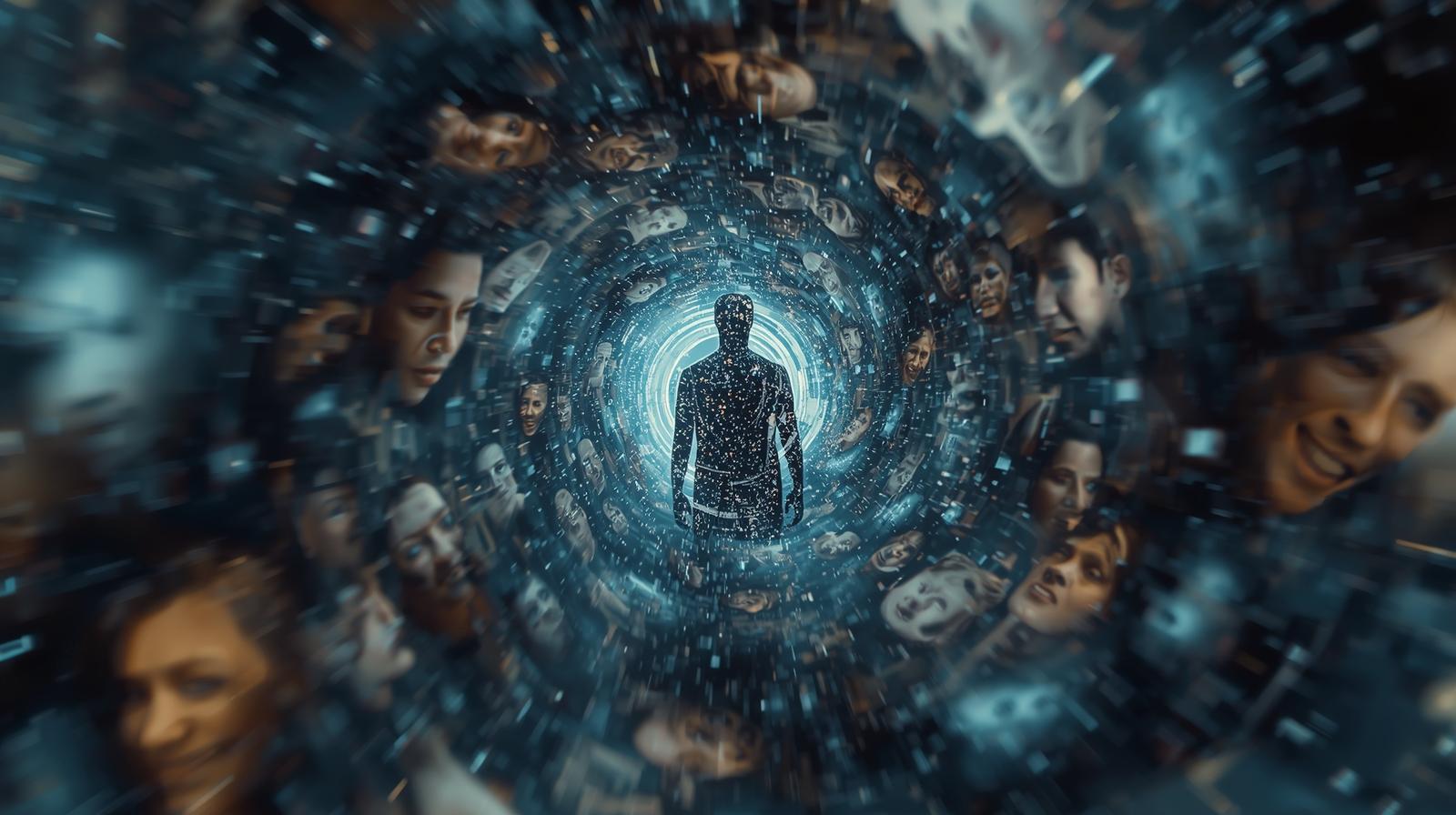
The internet has always been a place where identity is fluid. From anonymous usernames to avatars, the web allows people to shape who they appear to be. Yet what once was playful flexibility has become a battleground of fraud, deception, and manipulation. With the rise of advanced AI, deepfake technology, and data breaches, we are entering a new era: the synthetic identity storm.
This is not merely stolen identity in the traditional sense. Synthetic identities blend fragments of real and fake data into convincing personas that can bypass security, manipulate trust systems, and wreak havoc on digital ecosystems. These entities are not just individuals pretending to be someone else. They are entire fabricated existences that feel real enough to pass undetected.
The storm is building, and its consequences extend far beyond financial fraud. It threatens the very fabric of digital trust.
What Are Synthetic Identities?
A synthetic identity is not a simple stolen profile. It is a hybrid, built from multiple sources:
- Partial real data: stolen names, birth dates, or biometric details.
- Invented data: AI-generated photos, fake addresses, or fabricated employment history.
- Deepfake overlays: videos and voice models to simulate presence in real-time.
Unlike traditional impersonation, synthetic identities often lack a single real-world counterpart. They exist in the gray space between reality and fiction, making them harder to detect and prosecute.
Why Synthetic Identities Are Exploding Now
Several forces are fueling this storm:
- AI image and voice generation: Hyper-realistic avatars can be created in seconds.
- Data breaches: Billions of exposed records feed raw material into fraud pipelines.
- Automation tools: Bots can now create, manage, and evolve synthetic profiles at scale.
- Platform gaps: Social networks, review platforms, and even financial systems lack robust detection mechanisms.
As these forces converge, the barrier to creating believable fake people collapses. What once required resources and skill is now accessible to anyone with minimal technical knowledge.
The Many Faces of Digital Impersonation
Synthetic identities can take many forms, each with unique risks:
- Financial fraudsters: Fake identities are used to open credit lines, launder money, or bypass loan checks.
- Social manipulators: Synthetic personas spread misinformation, amplify political narratives, or influence markets.
- Trust system exploiters: On review platforms, synthetic accounts inflate ratings, suppress criticism, or manipulate reputations.
- Corporate infiltrators: Fake employees or executives trick companies into leaking information.
- Personal impersonators: AI-generated voices and images allow scammers to convincingly mimic family members or colleagues.
This flexibility makes synthetic identities one of the most versatile weapons in the digital landscape.
Why Detection Is So Difficult
Traditional identity checks rely on matching data to existing records. Synthetic identities bypass this by blending fiction with enough truth to pass. Detection is difficult because:
- They are “clean”: Unlike stolen identities, they have no fraud history.
- They evolve: Fraudsters build digital footprints, creating years of fake history to appear authentic.
- They scale: One person can create hundreds of identities, overwhelming manual verification systems.
- They adapt: Algorithms quickly learn what triggers suspicion and adjust accordingly.
The result is a battlefield where defenders are always one step behind.
The Psychological Side of Synthetic Trust
Synthetic identities do more than bypass financial systems. They erode human trust. When people discover that reviews, social accounts, or even online friends may be fabricated, skepticism spreads. Trust inflation sets in: if anyone can be anyone, then no one is believed.
This distrust has ripple effects:
- Users hesitate to trust online reviews.
- Platforms lose credibility when exposed as full of bots.
- Individuals question the authenticity of digital relationships.
- Companies face reputational damage from synthetic smear campaigns.
The storm is not just technological. It is psychological, undermining the very confidence that keeps digital ecosystems functional.
Real-World Implications
The impact of synthetic identities is already visible:
- Financial losses: Banks and lenders report billions lost annually to synthetic identity fraud.
- Elections and politics: Coordinated fake personas amplify narratives and polarize discourse.
- Corporate espionage: Fake job applicants infiltrate organizations, sometimes gaining access to sensitive systems.
- Misinformation swarms: Synthetic accounts flood platforms, making it nearly impossible to separate authentic voices from fakes.
Each case highlights the broader truth: synthetic identities are not a niche problem. They are a systemic threat.
Ethical Dilemmas
The rise of synthetic identities also raises deep ethical questions:
- Should platforms disclose when users interact with bots or AI-driven personas?
- Is creating synthetic personas always harmful, or can they serve legitimate roles (e.g., in research or art)?
- Who is accountable when a synthetic identity causes harm, especially if it cannot be traced back to a single human operator?
- Can consent exist in a world where your likeness can be cloned without permission?
These dilemmas go beyond security. They strike at the heart of autonomy, privacy, and digital identity rights.
Possible Defenses Against the Storm
The fight against synthetic identities requires more than patchwork solutions. Potential defenses include:
- Advanced detection systems: AI tools designed to spot anomalies in digital footprints.
- Biometric safeguards: Multi-layer authentication that goes beyond passwords and IDs.
- Decentralized identity: Blockchain-based systems where users control verifiable digital identities.
- Transparency mandates: Legal requirements for platforms to disclose suspected synthetic activity.
- Public literacy: Educating users to question authenticity and recognize red flags.
No single defense will suffice. A layered, collaborative approach is essential.
The Future: A Permanent Storm?
Synthetic identities will not disappear. As AI becomes more powerful, the storm will only intensify. The question is not whether impersonation will exist, but how societies will adapt.
We may reach a point where trust cannot be assumed. Every review, profile, or video call may require verification. Paradoxically, this could erode the openness of the internet itself, forcing it into a gated ecosystem of verified interactions.
The challenge is to balance safety with freedom, ensuring that defenses against synthetic impersonation do not eliminate the very diversity and creativity that make the internet thrive.
Conclusion: Surviving the Synthetic Identity Storm
The synthetic identity storm is not a distant threat. It is already here, reshaping how we perceive identity, authenticity, and trust online. The blending of real and fake data creates personas so convincing that even seasoned experts can be fooled.
This storm cannot be stopped, but it can be navigated. Platforms, regulators, and individuals must recognize that identity is no longer a fixed truth but a contested space. Defenses must be built not only on stronger technology but on transparency, accountability, and public awareness.
The question is not whether synthetic identities will define the future of digital life, but how we respond to ensure that trust—fragile as it is—can survive the storm.