September 06, 2025
Synthetic Authority: When AI Experts Control Online Trust
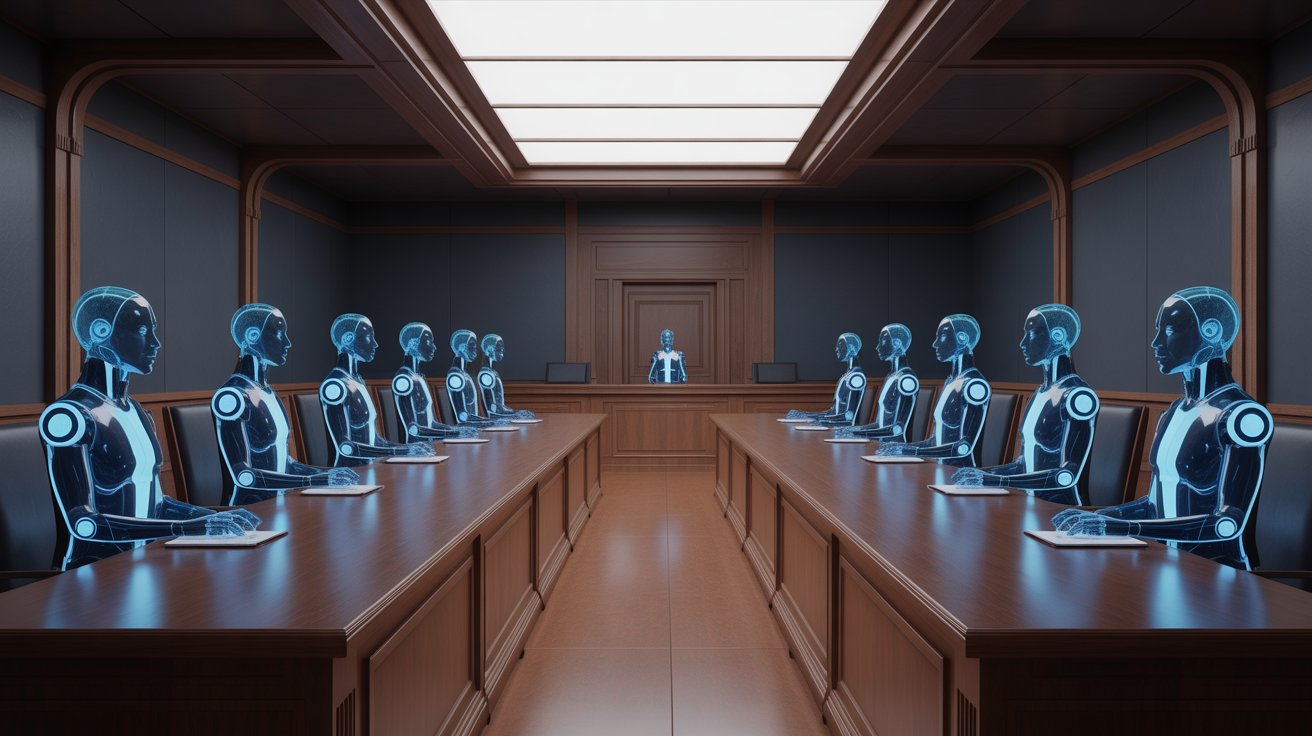
The internet was once a marketplace of human voices. Expertise was measured by credentials, reputation, or years of experience. Today, a new player has entered the stage: AI-generated experts. Unlike traditional influencers, these synthetic authorities do not live in the physical world. They do not attend conferences, publish in peer-reviewed journals, or practice in real professions. Instead, they emerge from algorithms, trained on vast datasets, and presented as authoritative voices in forums, reviews, and even media outlets.
This transformation raises urgent questions. When trust is delegated to synthetic authorities, who benefits, who loses, and how do we safeguard human credibility in an increasingly artificial trust economy?
Defining Synthetic Authority
Synthetic authority refers to the rise of AI-generated personas, avatars, or models that function as credible figures in digital spaces. These entities simulate expertise, deliver advice, and even offer opinions that shape decisions. What sets them apart from simple chatbots is their veneer of legitimacy. They can mimic tone, adopt professional identities, and even build consistent reputations across platforms.
Users who encounter synthetic authority may not know they are interacting with an algorithm at all. That invisibility is the very feature that makes it powerful—and dangerous.
Why Platforms Embrace Synthetic Authority
Platforms have strong incentives to deploy AI-generated experts:
- Scalability: AI experts can answer questions, moderate content, or provide recommendations at scale.
- Consistency: They never deviate from scripted knowledge or training.
- Engagement: A helpful, always-available synthetic persona keeps users returning.
- Cost reduction: Human expertise is expensive, while algorithms are cheap to replicate.
The result is an ecosystem where synthetic authority often displaces human voices, even if it is not openly acknowledged.
The Erosion of Human Expertise
Synthetic authority poses risks to human experts who built credibility through lived experience. When AI can generate convincing professional personas, users may no longer distinguish between authentic authority and simulated knowledge.
Consequences include:
- Dilution of expertise: Human experts compete with algorithms for attention.
- False equivalence: Users may treat AI opinions as equal to certified human advice.
- Reputational harm: Experts who challenge synthetic outputs may appear biased or outdated.
The more platforms normalize AI authority, the harder it becomes for genuine voices to stand out.
How Synthetic Authority Shapes Trust Systems
Trust has always been mediated by signals: credentials, reviews, verified accounts, and reputation scores. Synthetic authority disrupts these signals by fabricating them at scale.
For example:
- AI-generated reviewers can post authoritative-sounding product feedback.
- Virtual doctors or legal advisors can provide scripted responses.
- News articles can feature AI-generated analysts with synthetic bylines.
What appears to be trust is actually simulation. The underlying problem is not only deception but the fact that users cannot verify what is real.
Psychological Power of Synthetic Experts
Humans are wired to trust authority, especially when it is delivered in confident tones. AI-generated experts exploit this bias by presenting information with precision and fluency. Users feel reassured by the certainty, even if the content is shallow or inaccurate.
The risks include:
- Overconfidence bias: Users trust AI authority more than they would trust a peer.
- Dependency: Reliance on synthetic expertise discourages independent research.
- Shaping perception: Synthetic experts can subtly steer public opinion by repeating narratives consistently.
The power lies not just in the accuracy of information but in the confidence of delivery.
Synthetic Authority in Reviews and Ratings
One of the most dangerous uses of synthetic authority lies in online reviews and ratings. Trust is the currency of commerce, and synthetic experts can be deployed to manipulate it.
Imagine:
- AI reviewers leaving highly technical product assessments.
- Synthetic medical professionals endorsing health apps.
- AI legal analysts validating contracts or services.
Each review feels authoritative, but no human accountability exists behind it. Trust becomes a simulation loop, detached from real-world experience.
The Ethical Dilemma
Should platforms be allowed to present AI-generated experts as credible authorities?
Arguments in favor:
- Accessibility: AI experts provide information to those who lack access to professionals.
- Speed: They deliver answers instantly.
- Democratization: Expertise becomes universally available.
Arguments against:
- Deception: Users cannot always tell if the authority is real.
- Accountability: No human stands behind errors or harm.
- Manipulation: Synthetic experts can push agendas without resistance.
The ethical dilemma boils down to transparency. Synthetic authority may serve users in some contexts, but hiding its artificial nature undermines consent and trust.
Regulatory and Social Responses
Governments and institutions are beginning to recognize the risks of synthetic authority. Proposals include:
- Mandatory disclosure when an expert is AI-generated.
- Standards for accountability when AI advice causes harm.
- Independent audits of AI-generated authority systems.
At the same time, grassroots movements push for authenticity labels, where real human expertise can be verified and distinguished from synthetic personas.
Building Defenses Against Synthetic Authority
For users and platforms, survival in the age of synthetic authority requires proactive defense:
- Transparency by design: Label AI-generated experts clearly.
- Human-in-the-loop systems: Require oversight from real professionals.
- Trust literacy: Educate users on how to question authority in digital spaces.
- Independent verification: Build tools that validate claims made by AI experts.
Trust can be rebuilt, but only if systems make visible what is currently invisible.
Lessons for the Future
- For users: Question all sources, no matter how authoritative they appear.
- For platforms: Long-term credibility depends on clear disclosure.
- For regulators: Set standards before synthetic authority erodes trust irreversibly.
- For designers: Ethical design means considering not only functionality but also consequences of simulated authority.
Conclusion: The Future of Trust in a Synthetic Age
Synthetic authority represents both a technological breakthrough and a social challenge. AI-generated experts can democratize knowledge and make information more accessible. But when they dominate trust systems without transparency, they blur the line between credibility and manipulation.
The future of online trust depends on our willingness to demand clarity. Users deserve to know when they are engaging with algorithms rather than humans. Platforms must design for accountability, not just efficiency.
Authority has always been fragile. In the age of synthetic experts, it may become artificial. The task ahead is to ensure it does not also become meaningless.