November 23, 2025
Neural Reputations: Using Brainwave Patterns to Predict Online Behavior
Reputation systems once relied on past actions. Search queries, reviews, social interactions, and transaction history formed the foundation of digital trust. Today, predictive analytics are pushing reputation models far beyond recorded behavior. The next frontier is neural data: measuring brainwave patterns to anticipate decisions before they manifest online.
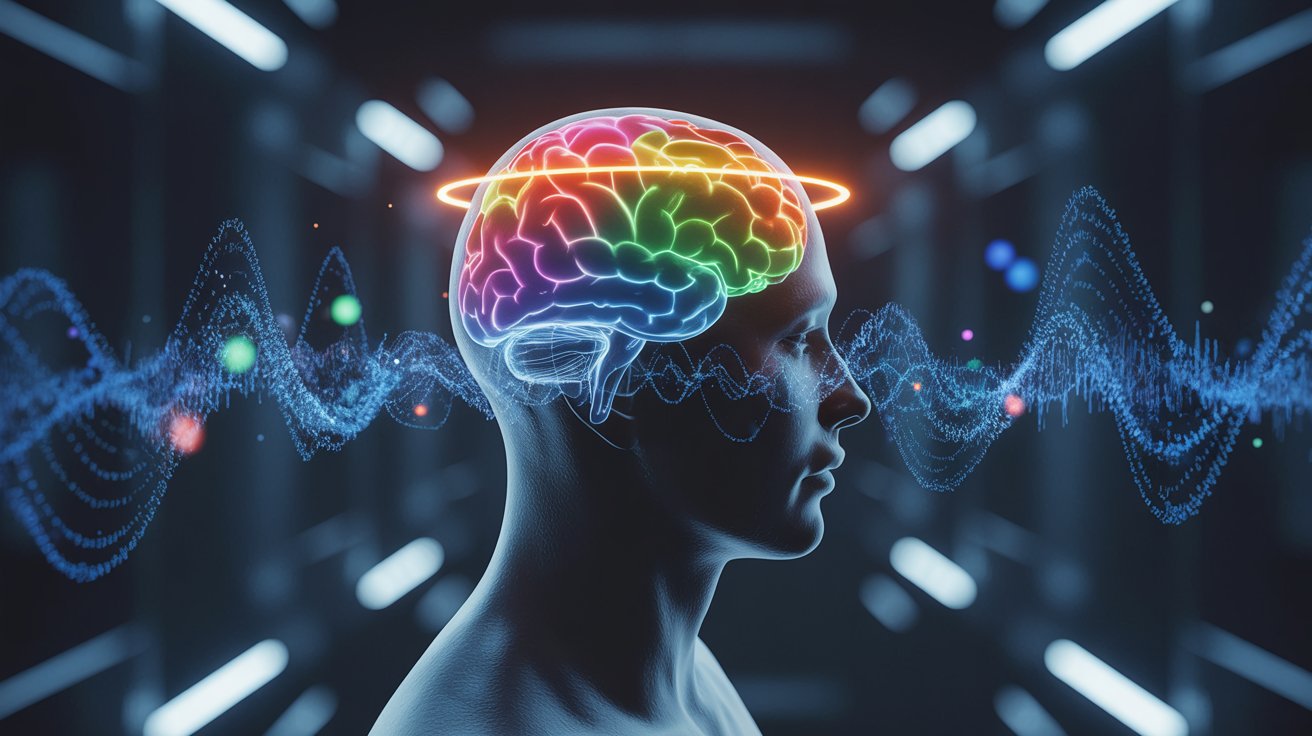
This development introduces a new category of identity technology known as neural reputation systems. These systems analyze electrical activity from the brain to forecast how people might behave in digital environments. Instead of waiting for someone to post, purchase, click, or react, neural systems estimate the probability of those actions through cognitive signals.
The idea sounds speculative, yet advancements in consumer neurotech, brain computer interfaces, and cognitive machine learning are making it increasingly plausible. Neural reputations raise unprecedented questions about autonomy, consent, trust, and the future of digital freedom.
What Are Neural Reputation Systems
Neural reputation systems analyze brainwave patterns to generate predictive profiles. These profiles estimate how individuals will behave across online platforms, communities, or digital services.
Core elements of neural reputation models
- Brainwave signal acquisition through wearable neurotech
- Cognitive pattern analysis using machine learning
- Prediction of behavioral tendencies such as attention, risk, or empathy
- Dynamic scoring that updates in real time
- Cross platform applicability for decision making systems
These systems shift reputation from external behavior to internal cognition.
Why Platforms Are Interested in Neural Prediction
Neural data offers pre behavior insight. Digital platforms benefit enormously from the ability to understand user intention before action.
Motivations behind neural interest
- More accurate personalization
- Higher precision in content moderation
- Early detection of risky or harmful behavior
- Improved fraud prevention
- Predictive advertising optimization
- Enhanced trust scoring across platforms
Neural insights are treated as the most honest data because they precede conscious decision making.
How Brainwave Data Is Collected
Although brainwave interfaces once required complex medical equipment, consumer grade neurotech is rapidly evolving.
Sources of neural data
- EEG headbands marketed for focus or productivity
- Neural earbuds with embedded sensors
- Gaming VR headsets with cognitive tracking
- Meditation and wellness devices that monitor attention cycles
- Future AR glasses with passive neural sensing
What begins as wellness tracking becomes a gateway to behavioral prediction.
The Science Behind Predicting Behavior Through Neural Signals
Brainwaves reflect cognitive states such as attention, stress, impulse, memory activation, and emotional resonance. When machine learning models analyze these patterns over time, they identify tendencies that correlate with online choices.
Cognitive markers commonly used
- Attention peaks signal interest patterns
- Impulse spikes correlate with risky behavior
- Stress indicators relate to conflict or avoidance
- Reward response cycles predict engagement likelihood
- Memory activation signals indicate familiarity with content
- Emotional resonance waves predict reactions to stimuli
Together, these patterns create a predictive map of future behavior.
When Reputation Moves Inside the Mind
Traditional reputation systems judge people based on what they do. Neural reputation evaluates people based on what they might do. This shift blurs the line between internal thoughts and public identity.
Implications of internalized reputation
- Private mental states become part of digital identity
- Consent becomes more complex when thoughts generate data
- Users may be judged on impulses they never act upon
- Platforms gain unprecedented influence over cognitive life
- Personal freedom becomes intertwined with neural predictability
Reputation becomes not just external performance, but internal possibility.
The Ethical Dilemma of Predicting Behavior Before It Happens
Predicting behavior using brainwave patterns raises moral questions that no previous reputation system has confronted.
Ethical concerns
- Is it fair to judge someone for a prediction
- Should neural impulses count as reputation signals
- How do users contest inaccurate cognitive predictions
- What rights do people have over their neural data
- How can platforms prevent misuse of sensitive cognitive patterns
Predictive fairness becomes much harder when the data comes from the mind rather than observable actions.
The Risk of Algorithmic Misinterpretation
Brainwave patterns are probabilistic, not deterministic. Neural signals can be influenced by fatigue, environment, mood, stress, or unrelated thoughts.
Common failure points
- False positives caused by emotional misreads
- Incorrect classification of cognitive noise
- Overreliance on limited brainwave datasets
- Cultural and biological variability in neural signals
- Mislabeling impulsive thoughts as behavioral intent
Errors can result in unfair reputation penalties.
Neural Bias: A Hidden Threat
Machine learning models can amplify bias when interpreting neural signals. Cultural norms, neurodiversity, and emotional variance affect brainwave patterns.
Forms of neural bias
- Misinterpreting neurodivergent behavior as risk
- Penalizing users with anxiety based signal patterns
- Cultural differences in emotional expression
- Cognitive differences mistaken as inconsistency
- Gender based neural pattern assumptions
Neural bias risks becoming the most invasive form of digital discrimination.
When Neural Reputations Become Social Filters
Platforms may use neural reputation scores to classify users, filter interactions, or restrict access.
Possible applications
- Prioritizing users with stable cognitive signatures
- Limiting visibility for users with impulsive patterns
- Restricting access to sensitive features
- Adjusting recommendations based on predicted reactions
- Filtering conversations based on emotional resonance
Some platforms may justify these filters as safety features, even when they reduce autonomy.
The Blurring Boundary Between Emotion and Evidence
Neural reputations treat emotional signals as evidence. This redefines what counts as proof in digital environments.
Consequences of emotional evidence
- Mood becomes a measurable reputational factor
- Temporary feelings may affect long term scores
- Emotional volatility becomes a liability
- Private internal states become visible metrics
- People may attempt to regulate thoughts to protect reputation
Identity becomes intertwined with neural performance.
The Privacy Collapse of Neural Data
Neural data contains deeper personal information than any traditional digital trace. It reveals patterns of attention, emotional response, and subconscious tendencies.
Privacy threats
- Exposure of emotional vulnerabilities
- Inference of political or ethical beliefs
- Mapping of cognitive preferences
- Prediction of mental health conditions
- Profiling based on subconscious associations
Protecting neural privacy becomes a critical human right.
Neuro Governance: The New Frontier of Digital Regulation
Neural reputations will force lawmakers to define rights and boundaries surrounding brainwave data.
Required regulatory structures
- Rights to neural data ownership
- Consent frameworks for brainwave collection
- Rules for predictive use of cognitive signals
- Independent audit of neural algorithms
- Prohibitions on mental manipulation
- Standards for anonymization of sensitive neural markers
Governance must evolve before neural systems become mainstream.
How Wyrloop Evaluates Neural Reputation Platforms
Wyrloop analyzes advanced identity systems for fairness, transparency, and respect for autonomy. Neural reputation systems represent some of the most sensitive technologies we evaluate.
Evaluation criteria
- User control over neural data streams
- Accuracy and fairness in predictive modeling
- Transparency of cognitive interpretation methods
- Protection against emotional or cognitive exploitation
- Clear contestation pathways for neural predictions
- Separation of neural impulses from reputational penalties
Platforms that uphold cognitive dignity receive higher ratings in our Neural Integrity Index.
The Future of Neural Identity and Reputation
Neural reputation systems will reshape identity in profound ways. They introduce a future where digital trust is influenced by the signals inside our minds rather than our actions alone.
Likely developments
- Cognitive companions that explain neural patterns
- Consent based neural reputation sharing across platforms
- Emotional verification in mixed reality environments
- Regulated neural scoring for high risk interactions
- User controlled cognitive privacy shields
- Ethical neurotech standards for prediction limits
Neural reputation will push society to reevaluate the boundaries of digital personhood.
Conclusion
Neural reputation systems represent a powerful and unsettling shift in how online behavior is predicted and judged. They transform private mental states into public data points and blur the distinction between who we are and what we might do. While these systems promise enhanced personalization and safety, they also carry deep risks for autonomy, fairness, and privacy.
The future of digital trust demands careful governance of neural technologies. Reputation should reflect choice, not subconscious patterns. Identity should be shaped by action, not neural probability. Protecting cognitive freedom is essential as predictive systems evolve.
The brain must remain the final frontier of personal sovereignty.