November 21, 2025
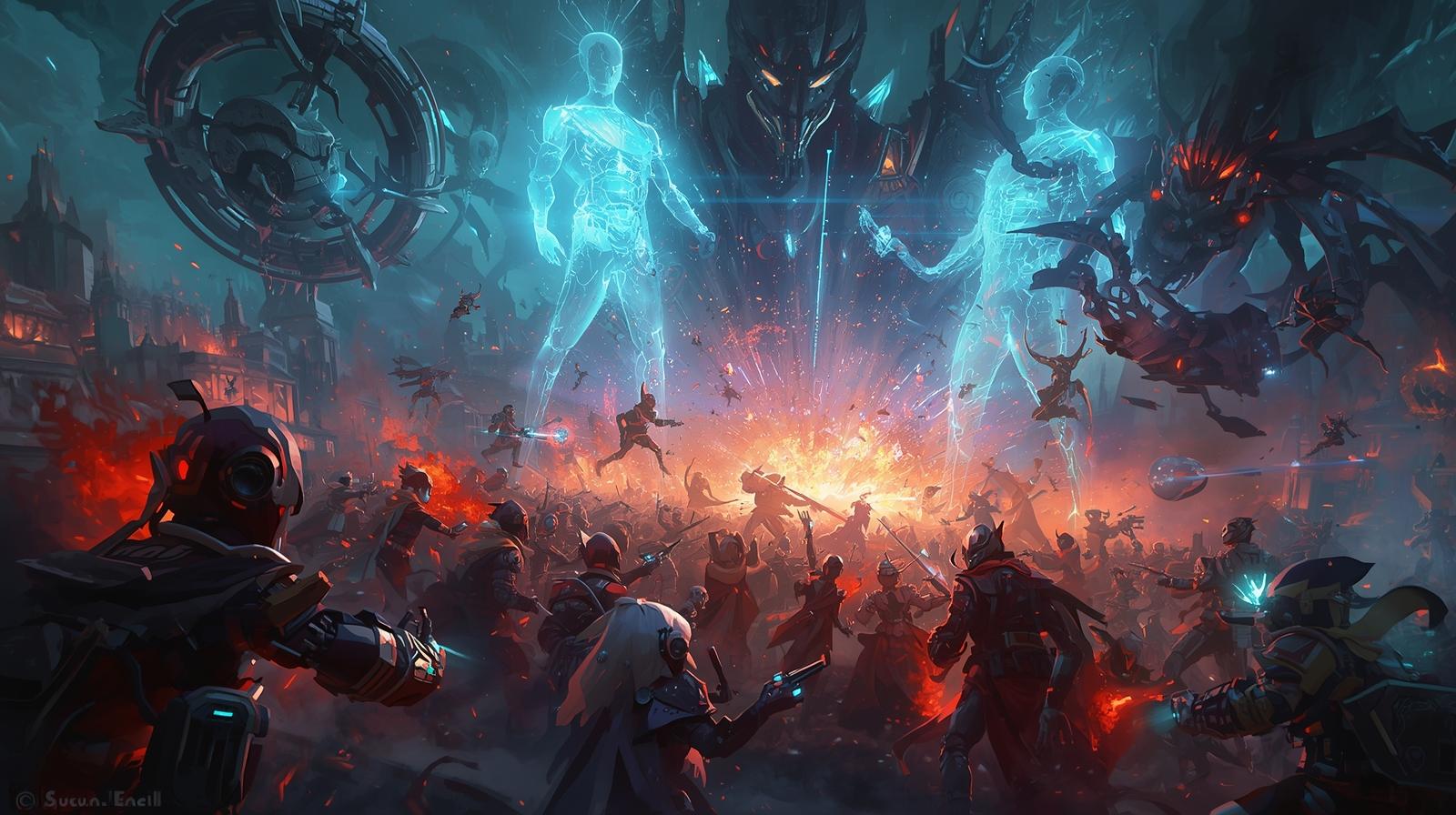
Identity Sovereignty Wars: Battles Over Control of Personal Avatars
As virtual and mixed reality ecosystems expand, people are no longer just users. They are represented by avatars, holograms, digital twins, and synthetic personas that carry their identity, reputation, and social presence across immersive worlds. These avatars become extensions of the self, not just visually but socially, economically, and emotionally. They hold status, history, ownership, and the accumulated trust of years of interaction.
Yet conflict is rising over who truly controls these digital identities. Platforms claim ownership over avatar assets, corporations manipulate user representations, and automated systems alter appearance or behavior based on algorithmic rules. Users, on the other hand, demand autonomy, sovereignty, and equitable rights over their own digital selves.
These tensions form the foundation of the identity sovereignty wars, a global struggle over the right to control personal avatars in virtual spaces. This conflict will shape the future of digital citizenship, governance, and personal freedom.
What Is Identity Sovereignty
Identity sovereignty refers to the ability of individuals to fully control their digital representations across platforms and environments. This includes ownership of avatars, control over their appearance, and authority over how they are used or modified.
Core principles of identity sovereignty
- Full ownership of personal avatars and digital likeness
- Permission based usage of avatar data by platforms
- Continuity of identity across immersive environments
- Right to portability across VR and mixed reality systems
- Protection against unauthorized alterations
- Legal recognition of digital identity rights
These principles are essential for ethical virtual experiences.
Why Avatars Have Become High Value Assets
Avatars in mixed reality environments hold significant social and economic value. They represent personal expression, professional reputation, and even access to digital markets.
Why avatars matter
- They carry a person's earned reputation
- They embody identity across communities
- They enable participation in virtual economies
- They reflect emotional and creative expression
- They influence social perception in immersive spaces
- They can store long term behavioral history
In this context, losing control of an avatar can feel like losing part of oneself.
The Rise of Corporate Claim Over Personal Avatars
Many platforms treat avatars as part of their ecosystem rather than belonging to the user. Terms of service often grant corporations broad rights over representation.
Examples of corporate overreach
- Platforms restricting avatar export to other worlds
- Companies modifying avatars to fit proprietary standards
- Algorithmic systems adjusting user appearance automatically
- Platforms monetizing avatar data without consent
- Locking avatars behind subscription tiers
These behaviors fuel sovereignty disputes.
When Avatars Become Manipulation Tools
Platforms can manipulate avatars to influence user behavior or platform engagement.
How manipulation occurs
- Automatic smoothing or beautification
- Forced animations for engagement
- Social ranking indicators attached to avatars
- Involuntary emotion simulation
- Algorithmic posture or expression adjustments
Users begin to question whether the avatar represents them or represents the platform’s interests.
Digital Colonization of Identity
Identity sovereignty wars echo historical battles over autonomy. Just as territories were once contested, digital identities now become contested spaces.
Forms of digital colonization
- Platforms claiming full rights over creative expression
- Corporations shaping digital behavior through avatar design
- Data extraction through avatar movement and interactions
- Economic control through avatar based ownership systems
- Cross platform dependency that locks users into ecosystems
Avatars become the territory where autonomy is negotiated.
Conflicts Between User Expression and Platform Governance
Platforms enforce rules that limit avatar expression for safety, branding, or moderation. These rules can conflict with personal identity.
Examples of clashes
- Restrictive content guidelines for avatar clothing
- Forced compliance with default body types
- Cultural expression limited by moderation tools
- Disabled or removed avatars during disputes
- Identity based harassment not addressed consistently
These conflicts fuel wider demands for avatar independence.
The Moral Battle of Avatar Authenticity
Authenticity becomes a central concern. If platforms can edit, reshape, or influence avatars, who determines what is real?
Moral tensions
- Should platforms allow hyper realism or stylized fantasy
- Can users create multiple avatars without confusion
- Should avatars represent physical traits faithfully
- How to separate parody from identity theft
- Who defines harm in immersive identity environments
Authenticity becomes both a design and ethical challenge.
Weaponization of Avatar Rights
Some actors use avatars strategically for control, manipulation, or harm.
Weaponization methods
- Impersonation using stolen or cloned avatars
- Removal of avatars to silence users
- Forced redesigns to shame or penalize
- Avatar sabotage during virtual events
- Algorithmic suppression of certain avatar types
Identity warfare becomes real when avatars become tools of domination.
Cross Platform Identity Fragmentation
Users participate in multiple metaverse platforms, each with its own avatar format. Fragmented identity creates confusion and reduces sovereignty.
Consequences of fragmentation
- Inconsistent representation across worlds
- Loss of reputation continuity
- Forced adaptation to platform norms
- Difficulty proving authenticity across spaces
- Increased vulnerability to impersonation
Portability becomes a crucial requirement.
The Avatar Commons: A Movement for Universal Identity Rights
To counter platform dominance, user communities advocate for the creation of an avatar commons: shared standards for identity portability and ethical governance.
Goals of the avatar commons movement
- Universal avatar export formats
- Transparent identity verification methods
- Clear rules for avatar usage and adaptation
- Open governance structures for digital identity
- Community driven standards for representation
The movement promotes identity rights similar to human rights.
Emerging Technologies That Support Identity Sovereignty
Several technologies aim to empower users in the sovereignty wars.
Key technologies
- Decentralized identity frameworks
- Self sovereign identity wallets
- Encrypted avatar storage systems
- Cross platform avatar standards
- Zero knowledge proof authentication
- Blockchain like reputation trails
These technologies give users more control over their digital selves.
When Avatars Become Extensions of Legal Identity
Governments and institutions increasingly recognize avatars as part of personal identity. This recognition influences regulations, rights, and protections.
Legal implications
- Avatars as protected extensions of the self
- Legal definitions of virtual impersonation
- Rights to recover stolen or cloned avatars
- Avatar based contracts and agreements
- Regulations governing avatar manipulation
Legal recognition expands sovereignty beyond platforms.
How Wyrloop Evaluates Avatar Integrity and Sovereignty
Wyrloop analyzes digital identity systems based on how they protect or undermine user control.
Evaluation criteria
- User ownership of avatar data
- Portability across immersive environments
- Protection against unauthorized edits
- Transparency in platform avatar policies
- Controls for user creativity and expression
- Safeguards against impersonation and cloning
Platforms that empower users earn higher ratings in our Avatar Sovereignty Index.
The Future of Identity Sovereignty
The identity sovereignty wars represent more than conflicts over digital avatars. They signal a broader shift in how society understands digital personhood.
Likely developments
- Global rights frameworks for avatar protection
- Interoperable avatar protocols across metaverses
- Stronger legal penalties for identity manipulation
- AI systems that maintain avatar consistency
- Community driven avatar governance models
- New definitions of digital citizenship
The future will require balancing platform innovation with personal autonomy.
Conclusion
Personal avatars are becoming central to digital life. They represent identity, expression, reputation, and social presence across immersive worlds. As these avatars gain significance, conflict over their ownership intensifies. Platform governance, corporate control, user autonomy, and emerging ethics all collide in the identity sovereignty wars.
The battle for avatar control is ultimately a battle for digital freedom. The future of identity must prioritize sovereignty, fairness, portability, and respect for human complexity. Only then can personal avatars become tools of empowerment rather than instruments of control.