September 29, 2025
Holographic Trust Signals: AR Badges for Web Authenticity
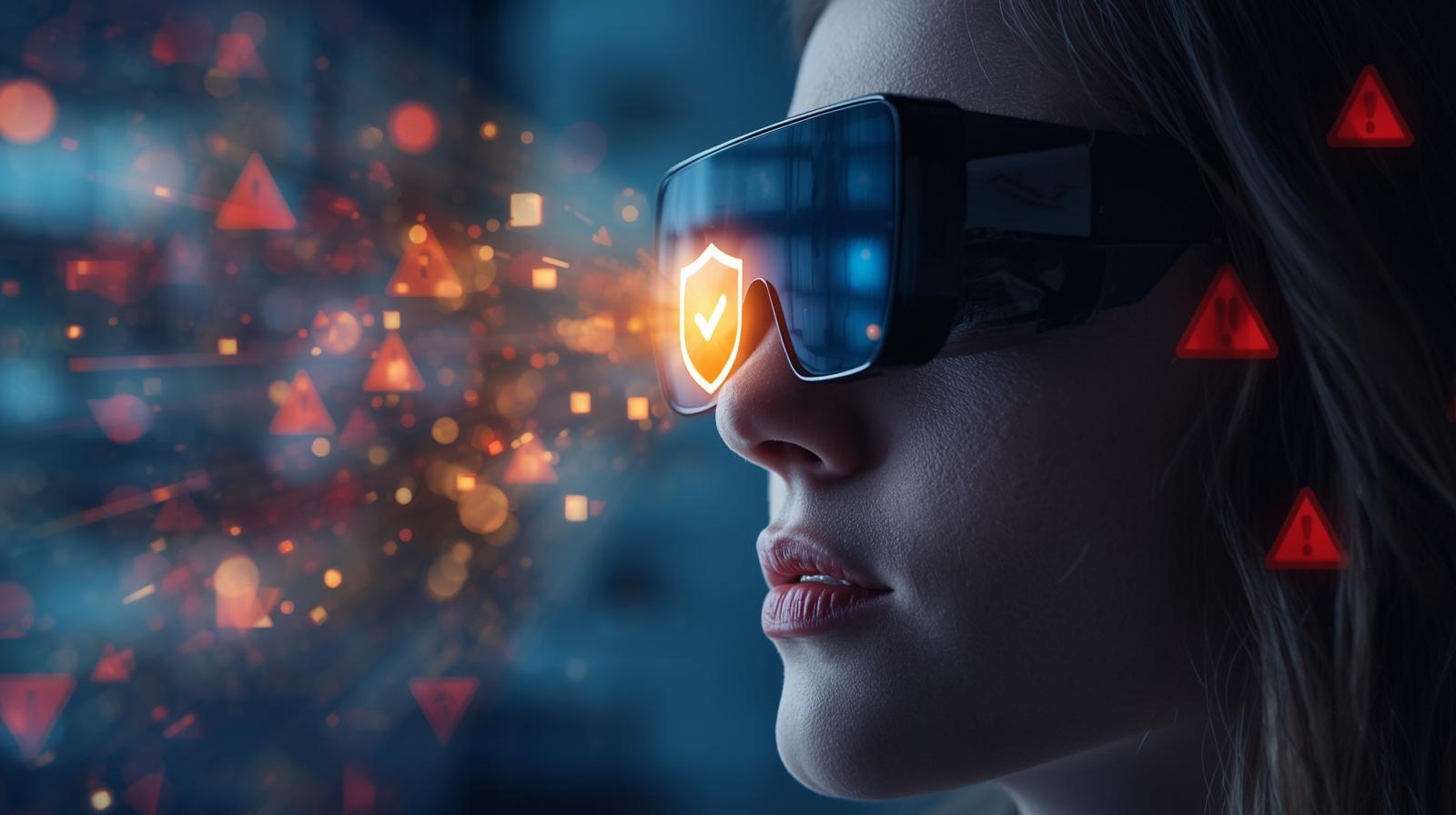
Digital trust has traditionally relied on visible signals such as padlock icons, SSL certificates, and verified account checkmarks. But in the next wave of browsing experiences, these flat indicators may evolve into holographic trust signals. Imagine wearing augmented reality glasses and seeing a glowing holographic badge hovering above a website or app logo, instantly verifying its authenticity. This idea pushes trust systems into a new dimension, merging immersive technology with real-time verification.
The role of AR in browsing
Augmented reality is no longer just for games or shopping previews. It is becoming a new layer of the browsing experience. Users equipped with AR devices can overlay digital information directly into their physical or digital spaces. When applied to trust, AR could:
- Display authenticity badges above verified websites or platforms.
- Highlight risky or suspicious sites with warning overlays.
- Allow users to view real-time security details without navigating menus.
- Transform the act of browsing into a more intuitive and visually guided process.
This creates a new type of visual cybersecurity layer that feels natural and immersive.
How holographic trust signals might work
Holographic trust signals would act as dynamic AR markers tied to cryptographic verification systems. Here is how they could function:
- Authentication handshake: When a user visits a website, the AR system checks its cryptographic certificates and integrity.
- Badge projection: If verified, a holographic badge appears in the user’s field of view.
- Dynamic updates: The hologram could change color, pulse, or shrink if threats are detected mid-session.
- Cross-platform consistency: Whether on a laptop, smartphone, or AR headset, users see the same visual indicator of authenticity.
Instead of flat trust icons in the browser bar, verification would feel like a live hologram layered into digital interactions.
Spoofing risks and manipulation challenges
With innovation comes risk. Holographic trust signals would be a new target for spoofing. Potential exploits include:
- Fake AR overlays: Malicious extensions or malware could project counterfeit holograms.
- Man-in-the-middle attacks: Hackers could inject fraudulent holograms during certificate checks.
- Trust fatigue: Overuse of holographic signals may desensitize users, reducing their effectiveness.
This means AR-based trust systems would require tamper-resistant rendering pipelines and hardware-level safeguards to maintain credibility.
Technical hurdles to adoption
Implementing holographic trust badges is far from simple. Challenges include:
- Device standardization: Different AR hardware may display trust badges inconsistently.
- Rendering latency: Trust verification must happen in milliseconds to avoid browsing delays.
- Cryptographic integration: Systems must tie holograms directly to secure certificates.
- Accessibility issues: Not all users will adopt AR browsing, raising inclusivity concerns.
Without solving these hurdles, holographic trust risks becoming an elite feature rather than a universal safeguard.
Real-world applications of AR trust
Despite the challenges, holographic trust signals hold immense potential. Possible use cases include:
- Financial services: Banks displaying holographic shields above genuine apps to protect against phishing.
- E-commerce: Verified holograms for authentic marketplaces to combat counterfeit sellers.
- Healthcare portals: Authenticity badges ensuring patients only interact with trusted providers.
- Government services: Public portals projecting holograms to prevent impersonation.
In each case, holograms act as digital signatures brought to life in AR.
Privacy concerns
Trust signals themselves could become a double-edged sword. Key concerns include:
- User tracking: AR trust systems may log browsing behavior, raising surveillance issues.
- Data leaks: If holographic trust platforms are compromised, browsing histories could be exposed.
- Behavioral profiling: Trust badges could reveal more about user interactions than intended.
- Dependence on AR vendors: Centralized control of holographic trust raises concerns about monopoly and bias.
Balancing transparency with user privacy will be critical for adoption.
Conclusion: the next frontier of digital trust
Holographic trust signals represent a bold leap forward in how we verify authenticity online. They promise intuitive, immersive, and highly visible safeguards against deception. Yet they also introduce new risks in spoofing, privacy, and accessibility. The question is not whether AR will shape browsing but how we can ensure that augmented trust does not become augmented vulnerability.
The path forward lies in careful design, cryptographic rigor, and user education. If done right, holographic trust could redefine digital safety for the AR era.