November 29, 2025
Biofeedback Badges Earning Trust Through Real Time Emotional Signals
Digital trust has traditionally relied on observable behavior. Reviews, history, interactions, and consistency formed the foundation of credibility. Yet advances in biometric sensing are introducing a radical shift. Platforms are beginning to explore trust indicators based on internal emotional states captured through biofeedback devices. This creates a new category of identity signal known as the biofeedback badge, a dynamic trust marker powered by real time emotional data.
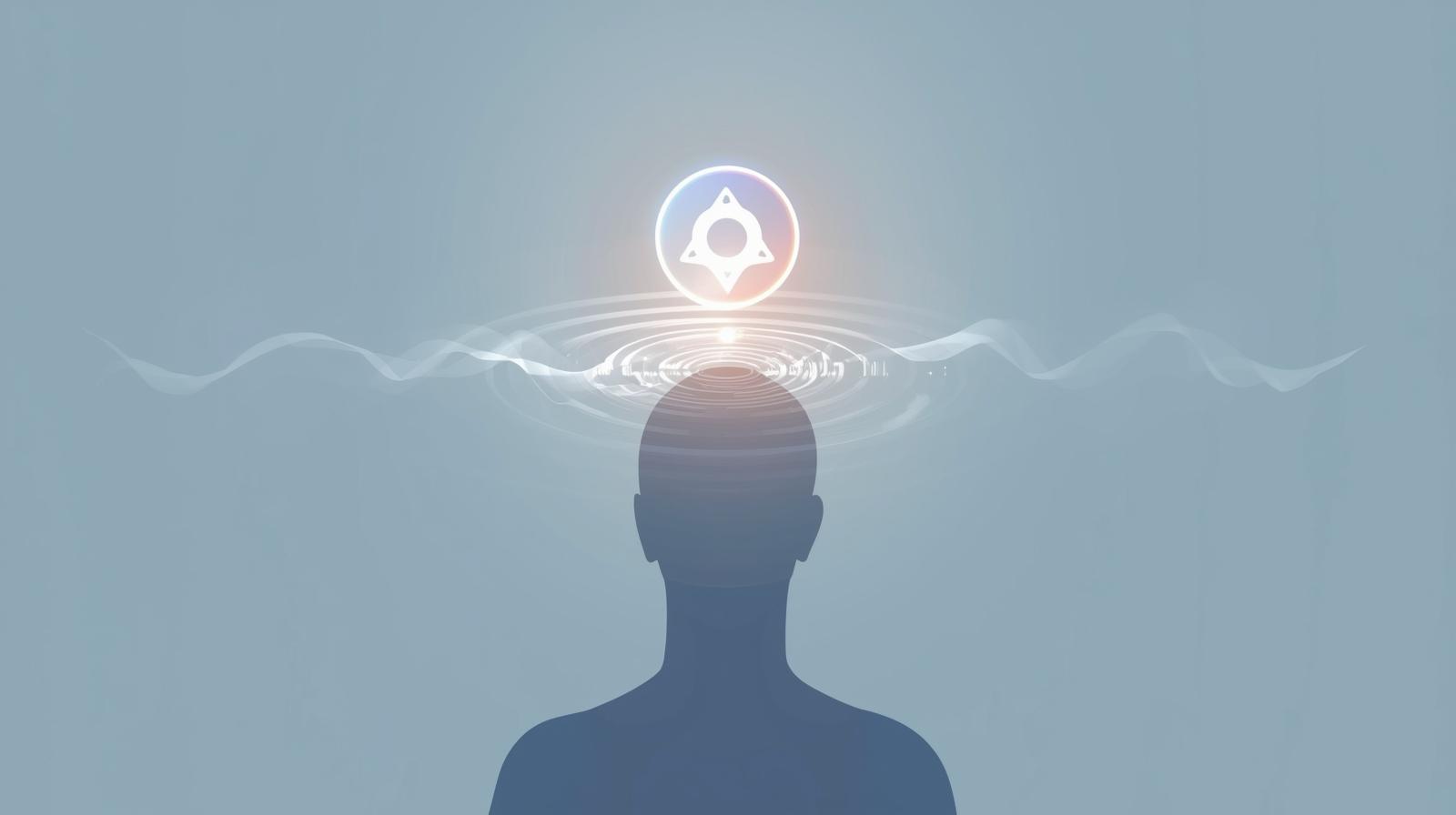
A biofeedback badge displays signals interpreted from heart rate variability, stress levels, micro gestures, or cognitive attention states. These markers are meant to offer immediate insights about the user’s emotional condition, strengthening trust through transparency. The badge becomes a visible emotional indicator that others can interpret during conversations, transactions, or collaborations.
This development raises profound ethical, psychological, and social questions. Trust becomes tied not just to what people do, but how they feel while doing it. Emotional transparency changes the meaning of authenticity, privacy, and identity.
The Birth of Emotional Trust Signals
Biofeedback badges emerge from the convergence of biometric wearables, affective computing, and real time emotion tracking. Devices that once measured fitness now detect sentiment. AI interprets these signals and converts them into simple badges meant to represent honesty, calmness, consistency, or stress.
Platforms present these signals as tools for safer interactions. If a person appears calm during a transaction, they may be seen as trustworthy. If they display heightened stress, systems may increase verification requirements. Emotional transparency is framed as protection, yet it introduces new dynamics where emotional states become public trust markers.
The idea appeals to platforms because emotional data is immediate, unlike traditional reputation signals that rely on long term history. Real time data creates real time trust.
How Biofeedback Trust Systems Work
Real time emotional trust systems gather signals from sensors integrated into everyday accessories. Smartwatches detect heart rhythms. Rings monitor stress. Earbuds capture micro tremors in vocal tone. Glasses evaluate subtle facial shifts. These signals are transmitted to the platform for analysis.
AI converts raw biometric inputs into simplified states such as calm, tense, uncertain, or confident. The system then displays a badge representing the interpreted state. Users carry these badges into digital spaces, where emotional transparency influences how they are perceived.
Although the process appears straightforward, it relies on complex machine learning models that determine which emotional states correlate with trustworthiness.
Emotional Honesty or Algorithmic Judgment
Biofeedback badges claim to reveal emotional authenticity. Yet the interpretation of emotion is not purely objective. AI models estimate states based on probabilistic patterns. A fast heartbeat could signal excitement, fear, or physical movement. A drop in voice stability might reflect nervousness or cold weather. Emotional ambiguity becomes flattened into single labels.
Once translated into badges, these labels gain social authority. People begin to equate calmness with trust and tension with unreliability. This creates a new form of algorithmic judgment where internal states are simplified into trust metrics without understanding the real causes behind them.
Emotional honesty becomes an algorithmic assumption rather than a human expression.
The Social Pressure of Emotional Visibility
Biofeedback badges create environments where emotional control becomes a performance. People fear appearing tense because platforms interpret tension as risk. Users may attempt to regulate emotions artificially to earn favorable badges, shifting trust from authentic expression to intentional emotional self management.
This generates pressure similar to social media curation, but directed inward. People are encouraged to perform calmness rather than experience it. Emotional authenticity decreases when trust becomes tied to biometric compliance.
Visible emotion becomes a social currency.
When Emotional Signals Replace Behavioral Evidence
Traditional reputation systems rely on patterns of behavior. Biofeedback badges introduce a shortcut by using emotional states as proxies for future trustworthiness. Platforms may weigh emotional stability more heavily than actual history.
This raises a critical question. Should a person’s emotional condition during an interaction influence their trust score? People experience stress for countless reasons unrelated to trust. They may be tired, ill, anxious, or overstimulated. Emotional noise can distort predictive trust signals, leading platforms to misclassify users unfairly.
Emotion is not evidence, yet biofeedback systems risk treating it as such.
Consent and the Illusion of Choice
Emotional data is sensitive. People must consent before sharing it, but many platforms may tie access to features or communities to the activation of biofeedback badges. Users may feel compelled to participate even if uncomfortable with emotional visibility.
This creates the illusion of choice. People technically opt in, but social or functional pressure makes refusal difficult. In highly interactive environments, users without badges may be viewed with suspicion or considered opaque.
Consent must be clear and voluntary, but the pressures surrounding biometric trust compromise true autonomy.
Emotional Surveillance and the Loss of Inner Privacy
Biofeedback badges introduce a form of emotional surveillance that extends deep into personal experience. Platforms gain insight not only into what users do but how they feel. This reduces the boundary between internal emotion and public visibility.
Inner privacy becomes harder to protect. People accustomed to emotional transparency might eventually expect others to do the same. Emotional opacity could be misinterpreted as evasiveness. The right to keep feelings private becomes socially challenged.
This shift represents one of the most significant ethical risks of emotional trust systems.
The Inequity of Emotional Interpretation
Not all users display emotional signals in the same way. Neurodivergent individuals may have atypical patterns. People from different cultures express emotions differently. Individuals with certain disabilities may have irregular biometric readings. Systems that interpret emotion uniformly risk misclassifying entire groups.
Emotional inequity becomes structural. People who cannot conform to standardized emotional patterns face higher scrutiny or lower trust. This deepens bias already present in digital ecosystems.
Trust must be grounded in fairness, not homogeneity.
Gamification of Emotional States
Platforms may introduce incentives for maintaining stable emotional signals. Calmness can become a rewarded trait. Users may gain access to features, badges, or communities based on emotional consistency. This gamifies emotional regulation.
Although emotional awareness is valuable, gamification pushes people toward optimization rather than authenticity. Users focus on achieving positive signals rather than meaningful expression. Emotion becomes part of a performance loop rather than a genuine human experience.
Gamified calmness favors compliance over individuality.
The Risk of Manipulative Environments
Platforms may design interfaces that intentionally influence user emotions. Visual cues, color shifts, sound design, and interaction timing can shape the signals that biofeedback badges capture. Platforms could subtly encourage users toward emotional states that benefit retention or engagement.
This creates a closed loop where platforms manipulate emotion, detect the manipulated state, and reward it. Emotional autonomy erodes when feelings are shaped by design for strategic outcomes.
Manipulation becomes easier when emotions are monitored.
Biofeedback as a Trust Shortcut
Biofeedback badges appeal to platforms because they simplify complexity. Instead of analyzing long term behavior, systems interpret single emotional moments. This reduces cost and increases efficiency. Yet trust shortcuts often lead to oversimplification.
Real trust is built on consistent actions, honesty, accountability, and relationships. Reducing trust to emotional snapshots diminishes the richness of human behavior.
Shortcuts provide convenience but weaken accuracy.
Emotional Transparency in High Stakes Environments
In financial platforms, dating apps, collaborative tools, or negotiation environments, emotional transparency can carry even greater weight. A tense moment could influence a transaction. A stressed signal could affect matchmaking. An uncertain tone could impact team dynamics.
The risk is that platforms may use emotional states to grant or deny opportunities. Emotional scoring becomes a form of eligibility sorting.
Trust should not depend on temporary physiological conditions.
How Wyrloop Evaluates Biofeedback Trust Systems
Wyrloop analyzes emotional trust systems based on transparency, fairness, autonomy, and respect for psychological integrity. We evaluate whether platforms allow users to disable badges freely, whether emotional signals are interpreted accurately, and whether systems avoid penalizing users for natural emotional variation.
Platforms that treat emotion with nuance and caution receive higher scores in our Emotional Trust Integrity Index.
Conclusion
Biofeedback badges represent a significant evolution in digital trust systems. They shift the focus from external behavior to internal emotional states, blending biometric sensing with reputation signals. This creates new opportunities for safety and clarity but introduces deep ethical and social risks.
Emotions are fluid, complex, and intensely personal. Systems that translate them into trust markers must operate with care, transparency, and respect for inner privacy. Trust cannot be reduced to biometric signals without losing the human depth behind it.
A future built on emotional trust must protect authenticity, dignity, and individuality. Biofeedback badges can support safer interactions only if they honor the complexity of human emotion rather than simplify it.
Everyone deserves the right to emotional privacy and fair digital trust.